
KEY STAGES 1 AND 2 - PRIMARY - 5 to 11 YEARS OLD
British Primary Education
Learning with purpose, growing with confidence.
A British primary education to discover the world and
ISCB offers a high-quality British education with 100% English-language teaching, the only one of its kind in the province of Girona.
British primary education at International School Costa Brava (ISCB) covers ages 5 to 11 and is divided into two Key Stages. Children study core subjects such as English, mathematics, science, geography, history and physical education. It begins with the Reception stage and is divided into Years 1 to 6.
British primary education has become a highly valued option for families seeking an international system, with English as the language of instruction and an active approach to learning, such as that offered by the International School Costa Brava in Girona.
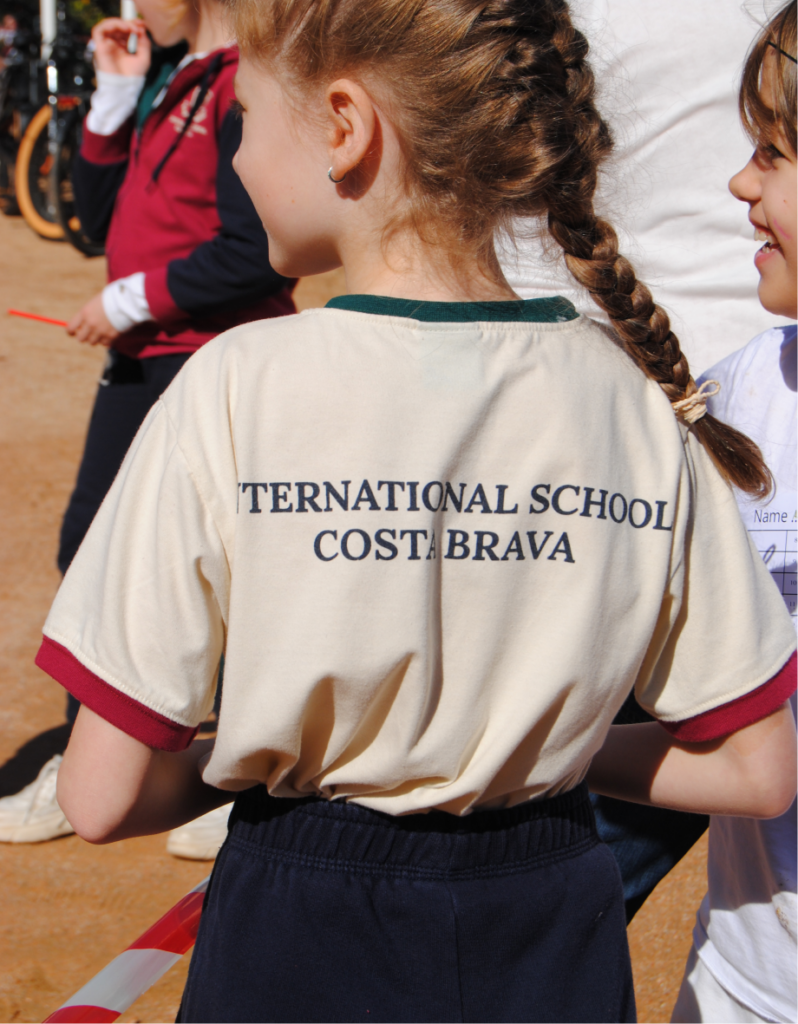
British primary school on the Costa Brava
Based on the British National Curriculum, we have designed an innovative and personalised British primary education programme for children aged 5 to 11. Building on the EYFS Framework, we support each pupil from Reception through to the completion of Key Stage 1 (ages 5–7) and Key Stage 2 (ages 7–11), with a learning pathway tailored to their needs.
Throughout this cycle, pupils study subjects such as literacy, maths, science, humanities and PE, amongst others, within a creative approach that goes beyond academic knowledge: we foster critical thinking, independence and teamwork so that every child can reach their full potential.
Visit us without any obligation:
Open Enrollment:
Structure and key stages of British primary education in 2 phases
In primary school, we accompany students on a progressive journey of discovery, where each phase is tailored to their needs, pace of development and interests. From early learning to more reflective thinking, every step counts.
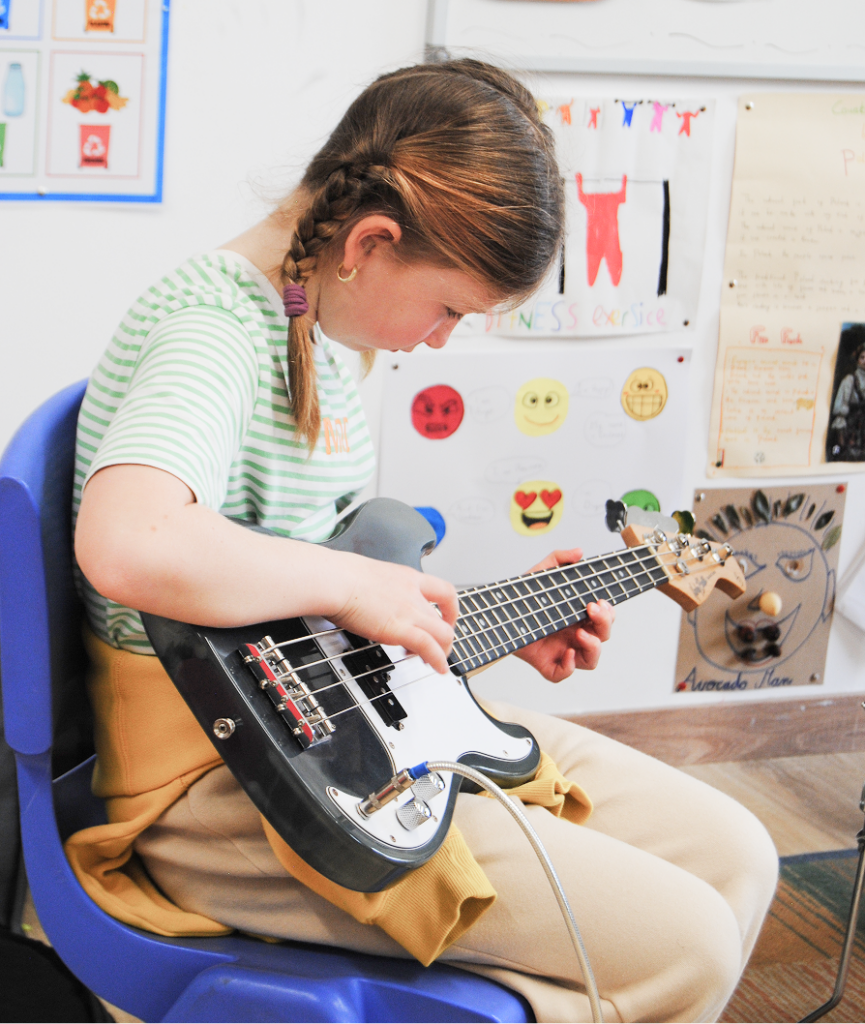
Key Stage 1
(5-7 years old, Year 1-Year 2)
In this first phase, pupils consolidate their literacy and basic maths skills. They begin to learn other languages (for example, Catalan and/or Spanish in the case of schools in Spain) and participate in classes such as art, music, physical education and technology.
Key Stage 2
(Year 3 – Year 6 | 7-11 years)
During these two Key Stages, the curriculum is rolled out progressively, allowing children to grow in knowledge, autonomy and life skills. Using this type of structure is key when discussing British primary education.
An Educational Approach for a Limitless Future
What are primary education classes like at ISCB?
At ISCB, we believe that primary education is a crucial stage for children to discover their interests, develop independence and strengthen their skills for the future. Our approach combines academic excellence with active, personalised learning that cultivates confidence, creativity and a passion for learning.

British Curriculum
Study an internationally recognised curriculum with subjects tailored to each academic profile.

Preparing for the Future
Development of key skills such as communication, collaboration and autonomy.

Personalised Education
Small classes in a learning environment where every student receives the support they need to excel.

Innovative Methodology
Learn by combining theory with practice through real projects and dynamic experiences.

Academic flexibility
A broad and balanced curriculum that allows students to explore different areas of knowledge and discover their interests from an early age.

Extracurricular Opportunities
Enjoy a wide range of extracurricular activities designed to complement academic learning and foster personal growth.

Multilingual and Multicultural
We promote a nurturing and inclusive environment for students from diverse cultures and backgrounds.

Inspiring Environment
At ISCB, we offer a dynamic space with an extensive private forest, stunning sea views and the unique surroundings of Platja d'Aro — the perfect setting for inspiring learning and holistic development.
Language Immersion
At ISCB, students learn English naturally in a completely immersive environment.
Trial Day: Come spend the day with us
We offer prospective students the opportunity to experience a day at ISCB, learning about our environment, teachers, and methodologies in action.
Why choose ISCB's British primary education?
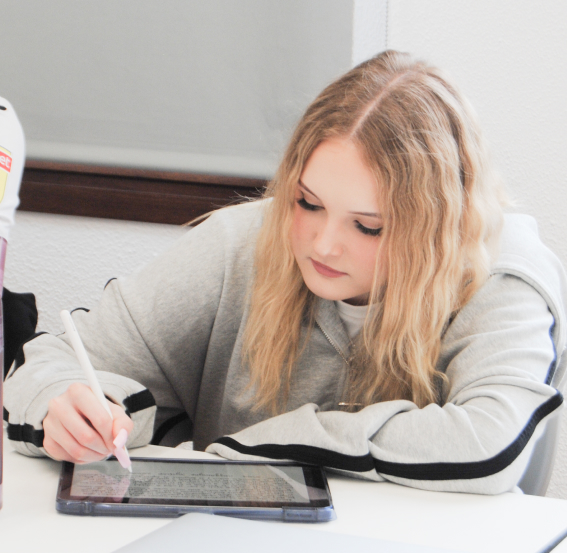
Professional Educator Team
International teaching staff
Our teaching team consists of native and bilingual teachers with experience in British international schools.
Global educational experience
Our teachers have international backgrounds, having worked in diverse educational systems and multicultural contexts. This experience enables them to apply innovative and personalised methodologies for each student.
Personalised teaching
With a focus on emotional well-being and academic success.
In direct contact with nature
Located in an exceptional natural setting, we have a private forest and ocean views, offering an ideal space for outdoor learning. Our Forest School methodology enables children to explore, discover and connect with nature while they learn.
Sports and recreation facilities
We have football and volleyball fields, hiking trails and outdoor spaces equipped for physical education and motor development.
Play areas
- Eucalyptus Playground: A space designed for safe and creative play in Primary School
- Outdoor Play Area: An outdoor space for fluid learning
Other facilities
- School Farm: An educational experience in contact with animals and nature
- Meeting room, reception area and staff room: Spaces designed for communication and collaborative work
Forest School
Our Forest School methodology enables students to explore, discover and connect with nature in a unique environment while they learn. The private forest and outdoor spaces encourage active learning, the development of autonomy and respect for the environment.
Academic facilities
- Library: Encouraging reading and research from an early age
- Science Lab: Hands-on experiences in discovery and innovation
- Art Classroom: Developing creativity through diverse artistic expressions
- School Cafeteria: Balanced nutrition in a comfortable and safe environment
- Large outdoor learning spaces with stunning views of the Mediterranean Sea
- New Sensory Room to stimulate emotional and sensory development
- Creative Kitchen Area, where the Cooking Club and other cultural activities take place
Comparison of British primary education with the Spanish education system
Although “British primary education” and “primary education in Spain” cover similar ages (approximately 6-12 years old in Spain), there are some key differences:
Educational structure
In the British system, the Key Stages structure is clearly defined (Key Stage 1 and Key Stage 2 for primary school).

Languages of instruction
In British international schools in Spain, the main language of instruction is English, while in the Spanish system, Spanish-Catalan is used and English is taught as a subject.

Methodology
The British system tends to reinforce autonomy, critical thinking, interdisciplinary projects and more active learning, while the traditional Spanish system may maintain a greater emphasis on lectures (although this is changing).

International mobility
Pupils who go through a British primary education are better prepared to continue their studies in international systems, which can be an advantage for families with global aspirations.

Therefore, when considering “British primary education”, it is useful for parents to assess how it fits in with the local Spanish system (language, validations, home) and what added value it brings.
Keys to making British primary education truly effective
For British primary education to fulfil its promise of quality, it is important to consider the following aspects:
Qualification
Native or highly qualified English-speaking teachers with experience in the British national curriculum. ISCB stands out for its native teachers.
Ratio
Small class sizes that allow for personalised learning, viewing each child as an individual and adapting to their pace.
Active methodologies
Project-based learning, interdisciplinarity, outdoor environments, modern technologies… This is part of what advanced British primary education has to offer.
Infrastructure
Adequate infrastructure and facilities, in an international environment, with support for emotional development and inclusion.
Integration
Integration with the local environment, so that even though the teaching is British, the child also feels comfortable in their Spanish/Catalan context (language, culture, friendships).
If these elements are present, British primary education can make a difference in a pupil’s education.
Frequently Asked Questions
Here you will find answers to some of the most common questions about British primary education at ISCB:
From Year 1, students have 3 hours of Spanish. From Year 2, 3 hours of Catalan and 3 hours of Spanish.
Yes, all subjects are taught in English, except for the languages (Spanish and Catalan), which are taught in their respective language.
Forest School is an outdoor learning programme where students develop confidence, autonomy and social skills through real-life nature experiences in a 30-hectare private-use forest.
Monday to Friday, from 8:30 a.m. to 4:00 p.m., with snack, lunch and recess periods. Sessions are balanced between academic, creative and physical activities.
Yes, the school calendar includes holidays at Christmas, Easter and summer, as well as two half-term breaks per term.
In the early years, there is no formal homework, though daily reading at home is recommended. From Year 3 onwards, light, progressive homework is introduced.
The British primary education system is part of the UK National Curriculum and is divided into two main stages called Key Stages.
- Key Stage 1: covers ages 5 to 7 (Year 1 and Year 2).
- Key Stage 2: covers ages 7 to 11 (Year 3 to Year 6).
During this stage, children study core subjects such as English, mathematics, science, geography, history, art, IT and physical education. Teaching focuses on developing practical skills, critical thinking and a solid academic foundation.
In short, British primary education seeks to produce independent, creative pupils who are able to express themselves fluently in English.
In England, British primary education lasts six years.
It officially begins at age 5 (in Year 1) and ends at age 11 (in Year 6). Before starting Year 1, children attend a preparatory year called Reception, which is part of the Early Years Foundation Stage (British early childhood education).
Therefore, the entire British primary education cycle — including Reception — can be considered to last seven years in total, although six years are officially recognised within the compulsory curriculum.
British primary education begins at age 5, when children enter Year 1.
However, before that stage, there is Reception (ages 4 to 5), which acts as a transition between nursery and primary education.
In this way, pupils complete their primary education at age 11, when they move on to secondary school.
This model allows for a natural, balanced progression that is adapted to each child's cognitive and emotional development.
The British primary school year is organised into three terms:
- Autumn Term: September to December.
- Spring Term: January to March/April.
- Summer Term: April to July.
Between each term there are holiday periods of approximately two weeks, and a longer break in the summer.
Classes usually start at the beginning of September and end in mid-July. Each term combines weeks of classes, extracurricular activities, continuous assessments and practical projects, maintaining a balance between academic learning and personal development.
Thus, the British primary education academic calendar encourages consistency and motivation among pupils throughout the year.
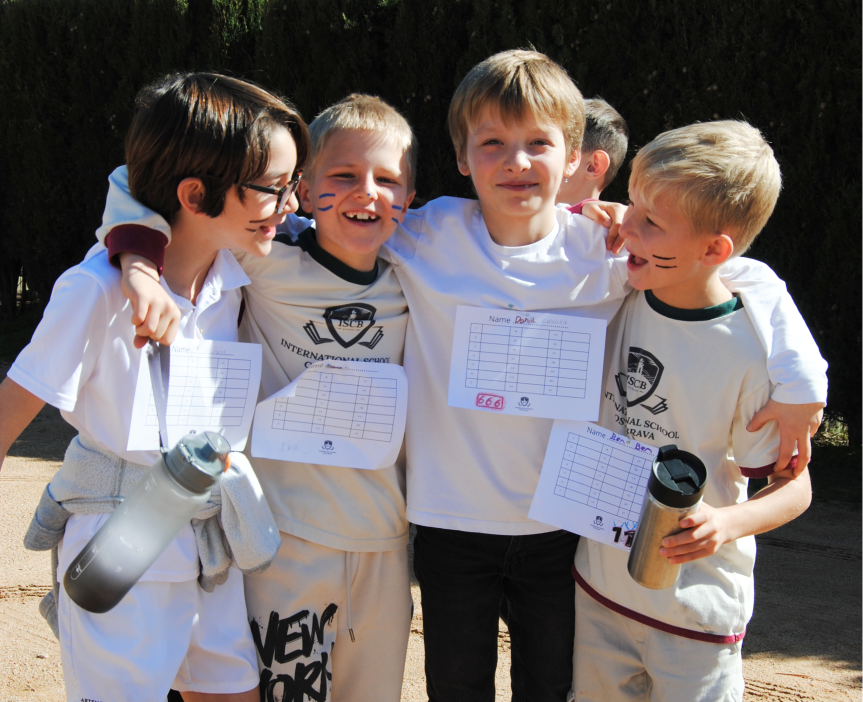
We invite you to visit our school
We would love to show you around our school and help you discover firsthand how International School Costa Brava can be the ideal place for your child’s academic and personal growth.
Services, Prices and Discounts:

School Uniform

Balanced School Meals

Latest Technologies and Gadgets

We assist you in your language
| Age | Level | UK Key Stage |
Monthly (10 months) |
| 5-7 | Years 1 and 2 | Key Stage 1 Primary | €970 |
| 7-11 | Years 3 to 6 | Key Stage 2 Primary | €970 |
Includes: Education and School Insurance
Download our catalog to see all prices and discounts.
Trial Day: Come spend the day with us
We offer prospective students the opportunity to experience a day at ISCB, learning about our environment, teachers, and methodologies in action.
Book a private visit
Schedule an appointment to visit our facilities and see firsthand how your child can benefit from a unique British international education in the province of Girona. Our team will welcome you Monday through Friday from 9:30 a.m. to 12:30 p.m.
Keep learning, keep growing at ISCB
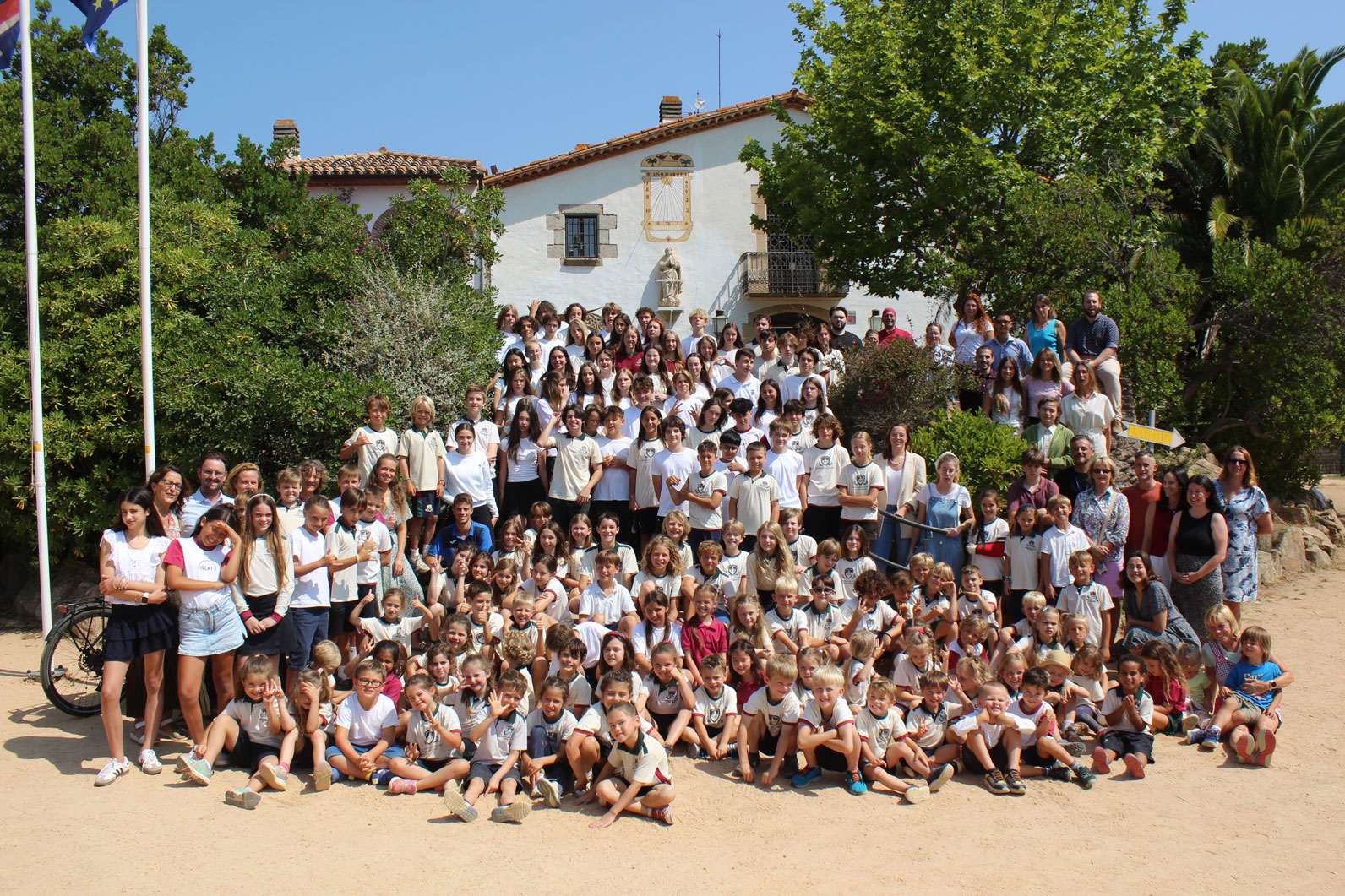
An educational journey without limits at the International School Costa Brava
International School Costa Brava – A Recognised Centre
ISCB is an institution recognised by the Generalitat de Catalunya (Catalan Government), following the British curriculum at all stages. We are also a Pearson Edexcel-certified centre, allowing us to offer IGCSE and A-Level examinations.
ISCB has been recognised by UNICEF as a reference centre for children’s rights education due to our integration of these values into our educational programme and school life.
We are part of EPIC, the association of private and independent schools in Catalonia, ensuring high educational standards and fostering international collaboration.


Our admissions process is simple and streamlined, so you can contact us quickly and easily using this form. Below, you’ll find useful information to help you through the application process and learn more about the International School Costa Brava.
