
GCS A-Level Exams: What They Are, How They Work, and How They Differ from AS Level and IGCSE
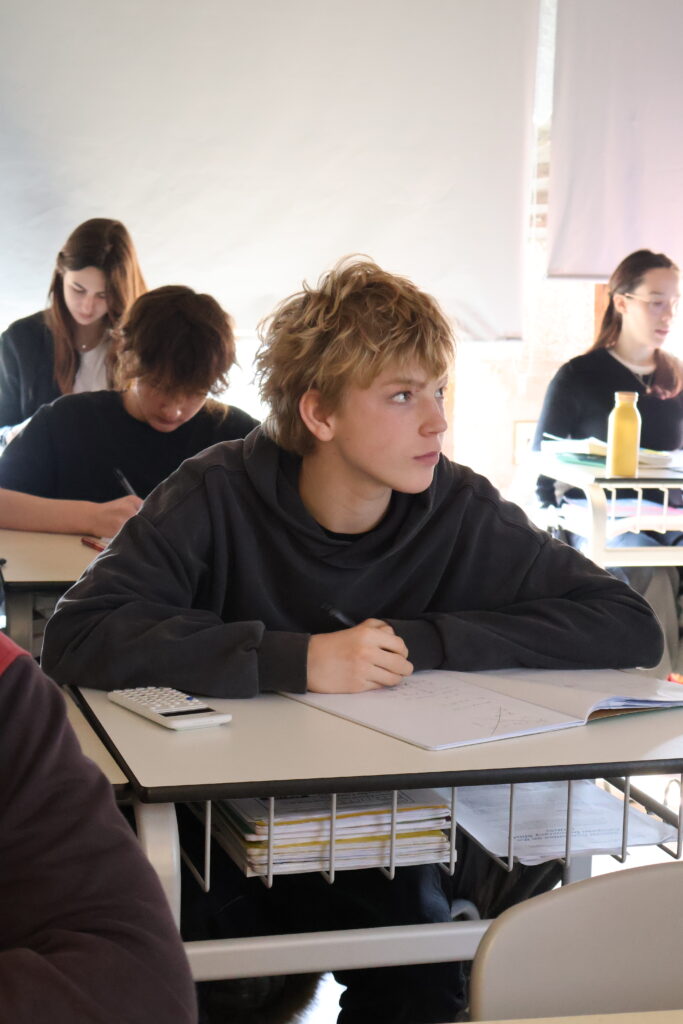
GCS A-Level Exams: What They Are, How They Work, and How They Differ from AS Level and IGCSE If your child is following the British curriculum, or if you are considering an international school, you have probably heard terms like A-Level, AS Level and Cambridge IGCSE. These exams form the backbone of the UK education system and are one of the most widely recognised academic passports in the world. But what does each one mean? Are the AS Level and the A-Level the same thing? And how does the IGCSE differ from all of the above? What Are A-Levels? A-Levels, or Advanced Levels, are the pre-university exams of the British education system. They are studied during the last two years of secondary schooling: Year 12 and Year 13 (equivalent to the first and second year of Bachillerato in Spain, for students aged between 16 and 18).Unlike the Spanish Bachillerato, where students study a wide variety of subjects, the A-Level system focuses on specialisation: each student chooses between 3 and 4 subjects in depth. This choice is strategic, as universities, both in the UK and worldwide, assess the strength and excellence in those specific subjects to determine admission to their degree programmes.A-Levels are offered by different international examining bodies, most notably Cambridge Assessment International Education (CAIE) and Pearson Edexcel, both fully valid and with equivalent recognition. At ISCB we are a certified Pearson Edexcel centre for the delivery and assessment of A-Levels. Grading System A-Levels are graded on a scale from A* (the highest distinction) to E (the minimum to pass). Each subject is assessed independently and no overall average grade is calculated. International Recognition and University Access A-Levels are recognised by more than 175,000 students in 160 countries, and are accepted as an entry qualification by the world’s most prestigious universities, including those in the American Ivy League, the British Russell Group and the leading European universities. In Spain, through the UNED, A-Levels can be recognised as equivalent to the EvAU (university entrance exam), allowing students to access Spanish public and private universities without going through the traditional Bachillerato. Are AS Level and A-Level the Same? Key Differences This is where many families get confused: the terms sound similar, but they are not the same. The AS Level (Advanced Subsidiary Level) and the A-Level (Advanced Level) are two distinct levels within the same system. AS Level: The First Level The AS Level corresponds to the first year of the pre-university stage (Year 12). It is an official qualification in its own right, but contains only half the curricular content of a full A-Level. In practical terms: if an A-Level requires approximately 360 teaching hours per subject over two years, the AS Level involves around 180 hours completed in a single academic year. The AS Level has several practical functions: It serves as a measure of the student’s progress at the end of Year 12. It allows the school to set predicted grades with greater accuracy.It can be presented to universities during the admissions process. In some cases, a student may choose to study only the AS Level in a specific subject, obtaining that qualification at the end of Year 13. Important: the AS Level is graded from A to E — without the A* grade — unlike the full A-Level. A-Level: The Full Qualification The full A-Level is developed over two years (Year 12 and Year 13) and is the qualification that universities use as the main reference for admission. At the end of Year 13, the student is examined on the entire content, including the papers corresponding to the AS level and the A2 level, and receives a final grade ranging from A* to E. It is not essential to have formally passed the AS Level in order to sit the A-Level, although the second year’s content is designed to build on the first. In Cambridge International, moreover, if the student takes the AS in Year 12, they can carry those marks forward to the final A-Level provided they do so within a 13-month window, a system that acts as a safety net for the student. Comparative Summary: AS Level vs A-Level Aspect AS Level A-Level Duration 1 year (Year 12) 2 years (Year 12 + Year 13) Content Half of the full programme Full programme Grading A to E A* to E Spanish equivalent 1st year of Bachillerato 1st + 2nd year of Bachillerato University recognition Complementary qualification Main university entry requirement Independent qualification Yes Yes (full qualification) IGCSE vs A-Level: What Stage Is Each One For? To understand the British education system as a whole, it is important to place the IGCSE and A-Levels at the right point of the school journey, because each one serves a different purpose. The IGCSE (International General Certificate of Secondary Education) is the most widely recognised international qualification for students aged 14 to 16, studied during Year 10 and Year 11, equivalent to the 3rd and 4th years of ESO in Spain. It covers a broad range of subjects (from mathematics and English to sciences, languages and humanities), and is assessed at the end of Year 11 through a combination of written exams, practical work and, in some cases, oral tests. A-Levels, on the other hand, belong to the pre-university stage that follows the IGCSE: the Sixth Form or Key Stage 5 (Year 12 and Year 13, equivalent to Bachillerato). While the IGCSE provides a broad and balanced academic foundation in up to 9 subjects, A-Levels invite the student to specialise deeply in only 3 or 4 subjects. In this sense, the IGCSE acts as the launchpad that prepares and gives access to the A-Level programme: the stronger the IGCSE foundation, the better prepared the student will be to face the greater level of rigour and autonomy that A-Levels demand. Another relevant difference is the grading system: the IGCSE uses an eight-grade scale (from A* to G), while the A-Level grades from A* to E. Both are issued by bodies
Forest School: What it is and why it matters in British education.
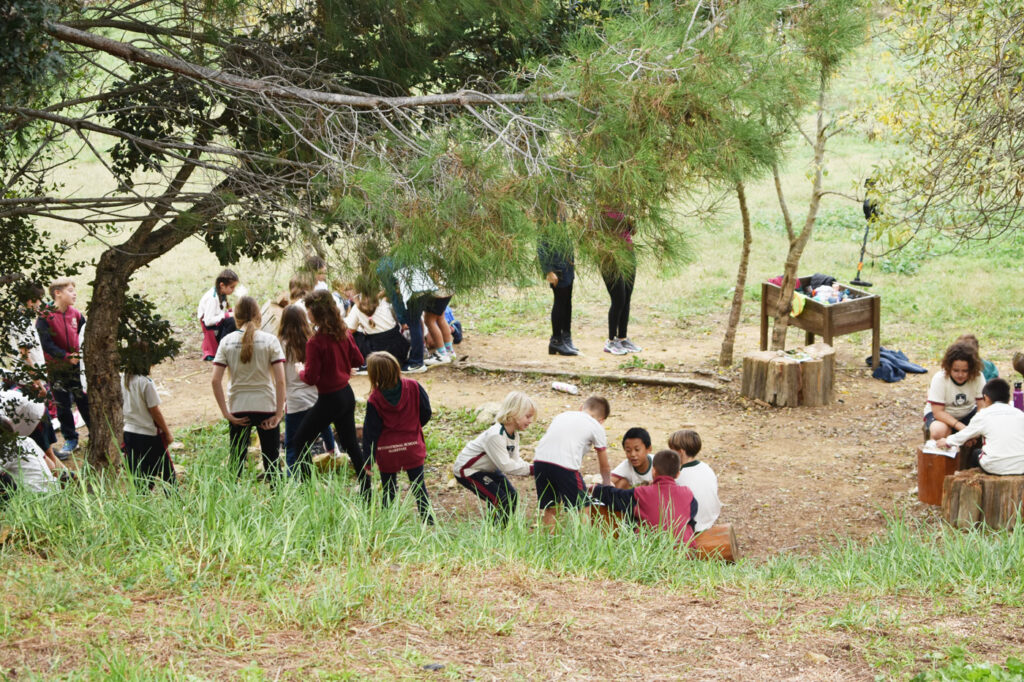
Unlike traditional methods, a forest school is not limited to a fixed curriculum, but allows students to learn by doing, develop social and emotional skills, and build confidence through hands-on experiences in a natural environment. https://www.youtube.com/shorts/vo_LOEkooro What is a Forest School? The term forest school refers to an outdoor education methodology that uses natural environments as a setting for active and meaningful learning. Originating in the United Kingdom and rooted in Scandinavian educational traditions, this approach places the child at the centre of the experience, encouraging curiosity, exploration and self-motivation through contact with nature. Out there we learn how to observe, to think and to ask questions. We work together, solve problems and take responsabilities for what we do. It feels like a real adventure. Benefits of the forest school approach Implementing a forest school methodology brings multiple benefits that complement and enrich any educational model, especially when integrated into a school with a British curriculum: Holistic development: enhances physical, emotional and social skills through real-life, collaborative experiences. Connection with nature: natural environments encourage creativity and reduce stress. Confidence and autonomy: by facing real challenges, pupils gain self-confidence. Active learning: forest schools transform play and exploration into meaningful educational opportunities This creates a solid foundation for integrating skills from the British curriculum, where academic content is enriched with sensory and practical experiences. How forest school fits into British education British school that incorporates the forest school approach not only follows the prestigious British curriculum framework, but also amplifies it through experiential learning. The British curriculum is based on balanced, structured and internationally recognised learning, which at IS Costa Brava is combined with innovative methodologies to achieve a more holistic education. For example, many British schools connect areas such as science, mathematics, language and physical education with outdoor activities that allow for a deeper and more meaningful understanding of concepts. This integration reinforces both academic mastery and key skills for the 21st century. Forest school at International School Costa Brava At IS Costa Brava, your child benefits from an education that goes beyond the classroom. As a centre that follows a British education of excellence, we incorporate forest school programmes that: They promote natural exploration as an extension of curricular learning. They encourage critical thinking and problem solving. They integrate practical activities with the academic content of the British curriculum. They take advantage of our natural surroundings on the Costa Brava to enrich physical and emotional development This approach helps to develop students who are more resilient, curious and prepared to face the challenges of the future with a solid academic and personal foundation. Forest School: Nature as a method The Forest School programme (Early Years to Year 6) forms part of the curriculum as an integrated lesson, present in many schools in the United Kingdom. Taught on ISCB’s forest premises by trained teachers and aligned with specific educational objectives, it enables learning in contact with nature, developing autonomy, resilience and curiosity through real experiences.https://www.youtube.com/watch?v=-92Ua184Jb8 The importance of forest schools today The forest school methodology represents an evolution in the way we conceive education: a dynamic, natural process focused on the child’s holistic growth. When combined with British school that follows the British curriculum, such as IS Costa Brava, it creates an exceptional learning environment where theory and practice are in perfect harmony. If you want your child to experience a quality British education with an innovative and meaningful approach, the forest school at IS Costa Brava is a distinctive and high-impact educational option.
What are the IGCSE of Cambridge?
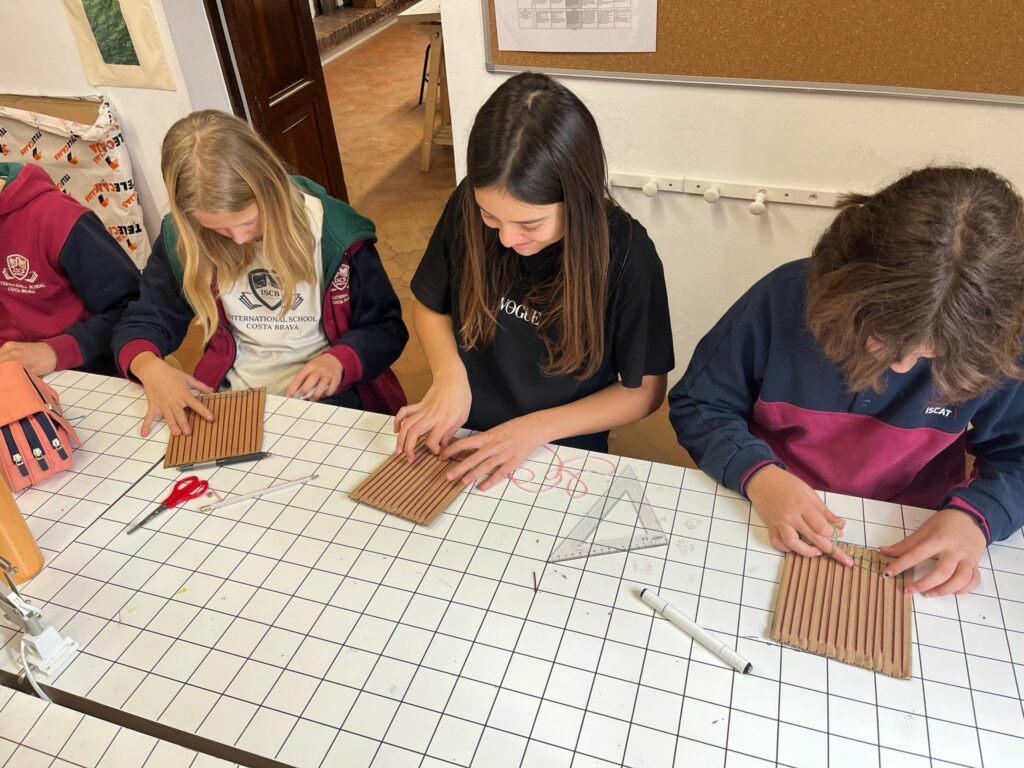
The Cambridge IGCSE is one of the most prestigious and internationally recognised qualifications within the British education system. Its full name, International General Certificate of Secondary Education, stands as a benchmark of academic excellence worldwide. This two-year programme is designed for students aged 14 to 16 and culminates in external exams graded by the University of Cambridge. It provides a strong foundation for further studies such as A-Levels or the International Baccalaureate (IB), as well as for entering the job market. At IS Costa Brava, an international British school in Platja d’Aro (Girona), we follow the same high standards of the British curriculum — offering the Pearson IGCSE, an internationally recognised alternative to the Cambridge IGCSE. Pearson qualifications are fully equivalent in academic value and prestige and are accepted by universities and employers worldwide. Our aim is not only to help students succeed in exams but also to develop essential life, social, and learning skills through a personalised and multicultural educational experience. What does the IGCSE involve? Year 11 IGCSE Chemistry in progress. Measuring the neutral point of acids and alkalis The IGCSE is an academic programme created by Cambridge Assessment International Education (for Cambridge exams) and Pearson Edexcel (for Pearson exams). Both are recognised across the world as trusted and rigorous British qualifications. Over two years, students study a variety of subjects according to their interests, abilities, and future goals. Common subjects include: • Mathematics • English (as a first or second language) • Sciences (Biology, Chemistry, Physics) • History • Geography • Computer Science • Foreign Languages • Art or Music The IGCSE curriculum goes beyond memorisation — it encourages critical thinking, creativity, problem-solving, and practical application of knowledge. Many subjects offer two levels, Core and Extended, allowing students to progress at a pace that suits their individual learning potential. Cambridge IGCSE vs. Pearson IGCSE While both Cambridge and Pearson IGCSEs follow the same British curriculum and are equally respected worldwide, there are a few key differences worth noting: • Exam Board: Cambridge IGCSEs are awarded by Cambridge Assessment International Education, while Pearson IGCSEs are administered by Pearson Edexcel, the UK’s largest and oldest awarding organisation. • Structure and Assessment: Both systems are rigorous, but Pearson IGCSE exams often focus more on the practical application of knowledge and use very clear marking criteria. • Recognition: Both are accepted globally by universities, employers, and education authorities. At IS Costa Brava, we proudly offer the Pearson IGCSE, maintaining the same international prestige as Cambridge and ensuring our students receive globally recognised qualifications. Benefits of obtaining an IGCSE certificate Whether from Cambridge or Pearson, obtaining an IGCSE certificate represents a major academic achievement and opens doors to higher education worldwide. 1. Global recognition The IGCSE is accepted by universities and employers across the globe — including in the UK, USA, Canada, Australia, and Europe. It also provides a solid foundation for further studies such as A-Levels or the IB Diploma. In addition, IGCSE qualifications are often required when applying for jobs in the United Kingdom, as they demonstrate academic proficiency and strong English skills. 2. Development of essential skills Students develop valuable competencies such as communication, independent learning, research, and analytical thinking — all crucial for university and professional success. 3. International perspective The IGCSE curriculum promotes a global outlook, helping students understand diverse social, cultural, and scientific perspectives. At IS Costa Brava, with students from many nationalities, this international mindset is part of everyday school life. 4. Fair and objective assessment All exams are externally graded by certified examiners, ensuring transparency, fairness, and global consistency. 5. Strong foundation for higher studies The IGCSE prepares students for advanced academic paths such as A-Levels, IB Diploma, or university degrees, providing a strong base in English, maths, and sciences. Who is the IGCSE suitable for? Outdoor learning at Costa Brava The IGCSE of Cambridge and Pearson is aimed at students aged 14 to 16, completing the final stage of secondary education. It’s perfect for young learners who want to: Study in English Follow an international curriculum Access top universities worldwide In Spain, the IGCSE is officially recognised as equivalent to the Spanish “Educación Secundaria Obligatoria” (ESO). This means that students completing the IGCSE can validate and homologate their qualifications through the Spanish education system. For international families living in Spain, the IGCSE offers the best of both worlds: a British education of high academic quality, and the chance to live and study in the beautiful Mediterranean environment of Platja d’Aro. At IS Costa Brava, we provide personalised learning support, adapting our teaching methods to each student’s needs and promoting academic excellence. Structure of the IGCSE The IGCSE programme (Cambridge or Pearson) lasts two years and usually takes place in Year 10 and Year 11 of the British system — equivalent to 3rd and 4th of ESO in Spain. Students typically choose between six and ten subjects, combining compulsory core subjects with optional ones that match their interests and goals. Assessment methods include: Written exams – the main component of the final grade Practical assessments – for science, art, or language subjects Coursework – continuous evaluation in certain subjects Grades are now awarded on a 9–1 scale, replacing the traditional A*–G system. A grade 9 represents the highest level of achievement (equivalent to A*), while grades 4–8 are considered passing results suitable for further studies. How to prepare for the IGCSE exams in Spain Preparing for the IGCSE exams requires the right environment, planning, and expert guidance. At IS Costa Brava, we support every student throughout the entire process, ensuring they feel confident and motivated. Our top preparation tips: Master academic English – all exams are conducted in English. Create a study plan – balance your workload over two years to avoid last-minute stress. Practise with past papers – both Cambridge and Pearson provide official exam materials. Learn from specialised teachers – our staff are experts in the British curriculum and IGCSE exam techniques. Develop independent study habits – time management and self-discipline
Prioritising Emotional Wellbeing at School: A Daily Commitment

Emotional wellbeing at school isn’t an added bonus — it’s the foundation. From early childhood to adolescence, the school environment plays a crucial role in nurturing personal growth, emotional safety, and resilience. At the International School Costa Brava (ISCB), emotional care is embedded from the very start. In the Early Years programme, emotional wellbeing is woven into everyday life, ensuring that each child is supported, understood, and free to flourish. Building Bonds: Emotional Education in Early Childhood The earliest bonds shape a child’s emotional path. That’s why emotional education in early childhood is a priority at ISCB. Providing a safe, nurturing space where children are free to explore, take risks and feel supported lays the groundwork for balanced emotional development and long-term childhood mental health. The classroom isn’t confined to four walls. The natural environment becomes a living classroom, where forest learning offers more than just stimulation — it fosters curiosity, emotional expression and strong, trusting school spaces where children thrive. Emotional Education: Feeling, Naming, Managing True emotional education in school goes beyond recognising emotions — it’s about learning to live with them. At ISCB, emotional skills are integrated across the school curriculum, giving children the tools to understand themselves, self-regulate and build meaningful, empathetic relationships. By naming what they feel and learning how to manage it, pupils strengthen their emotional intelligence. This approach builds resilience and confidence — key elements of mental and emotional wellbeing. Emotional Support and Ongoing Guidance Emotional support in education must be proactive and consistent. At ISCB, personalised guidance and close teacher-student relationships ensure that emotional needs are recognised and addressed early on. With the support of a specialised team, children benefit from personalised emotional accompaniment and access to school psychological support when needed. Through open observation and early detection of emotional needs at school, issues such as stress, anxiety or behavioural changes are identified early and addressed constructively. Educating with Families: A Shared Network of Care Emotional wellbeing doesn’t stop at the school gate. ISCB believes in strong family coordination for emotional development, working hand-in-hand with parents and carers to support every child. With access to professional support for children’s mental health, families are active participants in the emotional journey of their children. A school that cares for mental health knows the importance of clear communication, collaborative decisions, and the vital role of the educational guidance team in connecting families to appropriate resources. Connecting with Nature to Heal and Grow Nature offers children more than fresh air — it provides emotional grounding. Outdoor learning and play are central to ISCB’s forest school wellbeing approach, where emotional expression, creativity and self-discovery take root naturally. This kind of emotional education through nature builds emotional resilience and helps children feel connected to the world around them. Whether it’s a walk in the woods or a class under the trees, nature becomes a place of calm, reflection and joy. Practical Strategies for an Emotionally Safe Classroom Creating an emotionally safe school environment takes more than good intentions — it takes action. ISCB’s Early Years classrooms are designed with emotional wellbeing strategies for pupils in mind: from open dialogue sessions to play-based emotional expression. Emotional communication with pupils is part of the daily routine. Teachers are trained to recognise, listen to and respond to emotional cues with empathy, creating a classroom culture where every feeling is valid, and every child feels seen. At the International School Costa Brava, emotional care is not an afterthought — it begins from day one. The Early Years programme reflects a deep understanding that emotional wellbeing at school is key to lifelong learning, confidence and happiness. When children feel safe, supported, and emotionally balanced, their potential is limitless.
IGCSEs and A-Levels Explained: Understanding the British Qualification System with Josep Mondaca

At International School Costa Brava, we know how important it is for families to understand the academic path their children will follow. That’s why we’ve invited Josep Mondaca, our Year 10 Class Teacher, Science Teacher, and KS4 and KS5 Coordinator, to guide us through the British qualification system—specifically, the IGCSE and A-Level programmes. With his extensive experience supporting students through these key academic stages, Josep helps clarify what these qualifications mean, how they work, and why they are such a powerful foundation for university access worldwide. “IGCSEs and A-levels are challenging, but globally respected qualifications” Josep Mondaca, Year 10 class teacher, Science teacher and KS4 and KS5 coordinator At ISCB, we prepare students for internationally recognised qualifications such as the IGCSE secondary school and A-levels international school. These are highly respected around the world because they are externally assessed, ensuring the same standards for everyone. As teachers, our role is to make sure students are ready — from Year 10, we run full exam weeks, using past papers and providing personalised feedback after each exam. This process not only prepares them for academic success, but also helps them grow as learners, with close support and continuous communication between the school, students, and families. Understanding IGCSE Qualifications Q: Why are IGCSEs international qualifications highly respected all round the world? JM: IGCSE stands for International Certificate of Secondary Education. They are designed as an international qualification to be taught to students all around the world. To ensure that students across the world are evaluated to the same standards these qualifications are externally assessed and marked. Q: So, students are not evaluated by their teachers? JM: Exactly, as teachers we are responsible for delivering and preparing our students but to ensure that the same standards are applied everywhere, their final examinations are prepared and assessed by external examiners. Q: Are students only assessed based on their final exams then? JM: Yes, only the results from their final examinations are taken into account, that is why these qualifications are so highly regarded. Q: I see, in terms of grades what is the scale used to grade IGCSEs? JM: IGCSE’s are graded on a scale of 9-1. However the distribution might be a bit different to other systems you might have experience with. Q: What do you mean by that? JM: A level 9 in IGCSE is considered to be highly exceptional, a very small percentage of students achieves a level 9. A level 8 or 7 is considered a really good grade more than enough for you to continue studying that subject at A-level. Levels 5 and 6 are considered good grades and would usually be used as the boundary for continuation into A-levels. Level 4 is considered a pass. And finally levels 3 and below would not be passing grades. Q: Let me ask you this then, let’s say a student usually performs very well in class but then performs worse in his last exam, would that be his final grade? JM: Yes. Nevertheless, part of our work as teachers is to ensure students know what to expect. All previous exam papers are available for practice and we are very consistent on exam practice with our students to ensure that by the time they sit their final exam there are no surprises. Q: Is that what you use in your internal examinations? JM: Yes, once students reach Year 10 we have regular exam weeks. During these weeks classes stop and students have 2 exams everyday. These exams will be based on questions used in previous final exams, their grade for that term will be based on the results they achieve in that exam week. By following this method, students get used to the type of questions and content covered in their finals exams and at the same time they grow accustomed to the increased pressure of having exams very close together and those exams representing most of your grade. Q: Do students and families get any kind of feedback on how to improve their results? JM: Absolutely, at ISCB for example after every set of exam weeks students get personalised feedback on each of their exams so that they can improve for next time. Similarly, families will be sent the results and then be invited to come to a parent evening or an individual meeting where feedback will be provided on how the exam week went and what are the next steps we need to take so that it can be improved next time. Learn more about IGCSE of Cambridge Understanding A-Level Qualifications Q: You have mentioned A-levels several times in this conversation, what kind of qualifications are they? JM: A-levels are considered post-obligatory qualifications, they are meant to give students access to universities all over the world. Q: I am guessing that they are well respected as well? JM: Yes indeed, A-levels are accepted by most universities all over the world. Similarly to IGCSE these qualifications are externally set and assessed. Q: I see, are they also graded with a scale of 9-1? JM: No, A-levels are graded A*- U Again, similar to IGCSE the top grade (A*) is highly exceptional are will only be a requirement in incredibly competitive universities like Harvard or Oxford. An A is a really high grade and will give you access to top universities around the world. A B is a good grade, a student with a B in his 3 A-levels will be able to get into well respected universities. A C is considered a good pass and will be considered by universities for most courses. Levels D and E are considered to be on the lower end of the scale but are still a pass, these grades might still give you access to less competitive courses. A U is not considered a pass. Q: Are they also only assessed at the end of the two year course? JM: A-levels are a bit different in that regard, students are assessed at the end of
Benefits of a Bilingual and Multicultural Education in a Globalised World

In an increasingly interconnected world, bilingual and multicultural education is no longer a luxury—it’s a necessity. It equips students not only with linguistic fluency but also with cultural understanding, preparing them to thrive in diverse academic, personal, and professional settings. At International School Costa Brava, we champion this global vision from the earliest educational stages. Advantages of a Bilingual Education Cognitive and Academic Development Research shows that bilingual students develop stronger memory, problem-solving skills, and cognitive flexibility. Constantly switching between languages enhances metacognitive abilities, leading to higher academic performance and adaptability—skills that are essential for 21st-century learners. Competitive Advantages in the Job Market One of the key advantages of bilingualism in the job market is the ability to engage in global roles with ease. Multilingual professionals are highly valued across industries for their communication skills and adaptability. In fact, the link between bilingual education and employment is well-established: students who grow up in bilingual environments enjoy broader career prospects and better-paying roles. Greater Empathy and Cultural Tolerance Bilingual education fosters open-mindedness, empathy, and intercultural skills in the workplace. Exposure to different cultures from an early age helps students embrace diversity and work effectively in multicultural teams—an essential quality for today’s global professionals. Personal and Family Enrichment Beyond academics and career benefits, bilingual and multicultural education enriches personal lives. Students develop curiosity for international literature, cuisine, and travel. Families often notice their children becoming more confident, informed, and culturally aware. Importance of Bilingualism in a Global World The importance of bilingualism at work continues to grow, especially in sectors like international business, education, diplomacy, tourism, and tech. Today, the demand for bilingual professionals is higher than ever, as companies seek employees who can build bridges across languages and cultures. At International School Costa Brava, we don’t just teach languages—we develop global citizens who are ready to meet the challenges of an interconnected world with confidence and purpose. Conclusion: A bilingual and multicultural education is one of the most powerful investments in a child’s future. It provides lifelong skills, global awareness, and a clear advantage in the evolving international job market. Would you like to give your child the opportunity to thrive globally? Contact International School Costa Brava to learn more about our internationally-focused education.
Why Creativity and Critical Thinking are Crucial in Education

Creativity in the classroom and critical thinking development are essential for preparing students to face the challenges of the 21st century. In a rapidly changing educational environment, these skills allow students to think independently, solve complex problems, and adapt to various situations. Creative education not only fosters imagination but also teaches students to analyze, question, and explore different perspectives. Critical thinking and fostering creativity in education work together to improve students’ ability to think analytically and find innovative solutions. This approach has a direct impact on their academic and professional success, preparing them for a fulfilling life in a globalized and evolving world. Strategies to Foster Creativity in the Classroom Fostering creativity in education requires implementing strategies that stimulate students’ imagination and free thinking. Some of the best creative classroom activities include: Interdisciplinary projects: These projects combine different subjects and areas of knowledge, encouraging students to apply their creativity to solve problems from various perspectives. Using innovative teaching methods: Integrating digital tools and technological resources into daily activities can enhance creativity in the classroom, allowing students to explore new ideas and forms of expression. Open discussions and free idea-sharing: Creating an environment where students can share their ideas without fear of rejection promotes creative education and boosts their confidence. These strategies not only develop creativity in the classroom but also encourage students to think critically about the subjects they explore. The Role of Critical Thinking in Academic and Professional Success Critical thinking is one of the most valued skills in both the academic and professional fields. Developing this skill helps students face complex problems, make informed decisions, and evaluate different solutions. Critical thinking techniques focus on deep analysis, reflection, and objective evaluation—qualities essential for both academic and professional success. Critical thinking development becomes an indispensable tool for students, enabling them to stand out in any educational or work environment. Universities and companies are looking for individuals who are not only creative but also have the ability to reason logically and make well-grounded decisions. How Innovative Education Prepares Students for the Future Innovative teaching methods play a crucial role in preparing students for a world that demands creative and critical thinking skills. Innovations in education include the use of new technologies, pedagogical approaches, and teaching methodologies that challenge traditional methods. By integrating innovative teaching methods into the classroom, educators can offer students more dynamic, interactive, and engaging learning experiences. This not only fosters fostering creativity in education but also prepares students for the challenges of an interconnected and constantly evolving world. Methods to Stimulate Critical Thinking in Students Critical thinking development in students is an ongoing process that requires the application of effective methods. Some of the best methods for teaching creativity and fostering critical thinking include: Debates and discussions: Establishing spaces where students can debate different viewpoints helps them develop their ability to analyze and evaluate arguments logically. Case studies: Analyzing real-life cases allows students to practice critical reasoning and decision-making in practical situations. Problem-solving: Encouraging students to tackle open-ended and challenging problems improves their ability to think independently and creatively. These strategies not only stimulate critical thinking skills in students but also reinforce the necessary creativity in the classroom skills for academic success. The Impact of Creativity and Critical Thinking on Learning Integrating creativity and critical thinking into the teaching process has a significant impact on student learning. By promoting these skills, educators can improve students’ understanding, problem-solving abilities, and motivation to learn. Creative classroom activities allow students to actively engage with their learning, increasing retention and their ability to apply what they have learned in different contexts. As students develop their critical thinking skills, they become more competent and autonomous in their learning process, which benefits both their academic performance and their preparation for the future.
The British Education System: A Solid Foundation for Accessing International Education

The British education system is globally recognized for its rigorous academic approach and its ability to prepare students for high-quality international education. Its flexible and progressive structure enables students to develop essential skills both academically and personally, opening doors to global universities and careers. Thanks to its comprehensive approach, the British curriculum prepares students not only with solid academic knowledge but also with the 21st century skills needed to thrive in an interconnected world. This educational system offers an excellent foundation for accessing international education programs, as it is widely recognized by universities around the world. How the British Curriculum Promotes 21st Century Skills The British curriculum stands out for its focus on developing 21st century skills, which are essential for students to face the challenges of a changing world. Among the key skills promoted are: Critical thinking and problem-solving: Students are encouraged to think independently, question information, and find effective solutions. Creativity and innovation: The British education system fosters creativity by allowing students to explore new ideas and think outside the box. Collaboration and communication: Through teamwork, students develop skills to work effectively with others and express their ideas clearly and persuasively. Adaptability and resilience: Students are prepared to adapt to change and overcome obstacles—key qualities needed to succeed in a global and dynamic environment. These skills are crucial not only for academic success but also for personal and professional development, making the British curriculum an ideal choice for global education. The Advantages of Choosing a British Curriculum for Your Child Opting for a British curriculum for your child’s education has numerous advantages, especially in a connected world. This educational system provides a solid academic foundation that prepares students for a successful academic career and for facing the challenges of the real world. By choosing this system, parents offer their children a pathway to success both locally and internationally. Some of the main advantages include: Access to international universities: The British curriculum is globally recognized, facilitating access to prestigious universities and educational programs worldwide. Development of key skills: As mentioned earlier, students develop 21st century skills that prepare them to excel in any professional field. Focus on independent learning: Students learn to be autonomous and take responsibility for their learning, a crucial aspect of academic and professional success. British curriculum schools also provide a diverse and multicultural learning environment, where students feel part of a global community. The Teaching, Learning, and Assessment Process for Addressing Global Education The British education system is based on a teaching, learning, and assessment process that takes into account the needs and challenges of global education. Throughout their academic journey, students following the British curriculum are assessed through a combination of exams, practical tasks, and projects, allowing them to demonstrate their skills comprehensively. This approach fosters critical thinking and reflection, preparing students for an academic and professional future where they will need to tackle complex problems and work in international schools and teams. The British education system provides students with continuous assessment, preparing them for the type of evaluation they will encounter at international universities, easing their transition into higher education. The British Education System and its Focus on University Preparation One of the major advantages of the British curriculum is its emphasis on university preparation. From primary school through to secondary education, the British education system focuses on providing students with a rigorous academic foundation that places them in an excellent position to enter some of the world’s most prestigious universities. Programs like IGCSE secondary school and A-Levels international school allow students to specialize in areas of interest, providing them the opportunity to be accepted into international universities. Additionally, the system promotes an open mindset and the ability to adapt to different cultures, which is essential for studying in a globalized environment. University preparation includes not only academic skills but also the cultivation of global values, making students global citizens ready to face the challenges of the 21st century.
